Tuesday, April 9, 2024

Navigating Change and Progress: A Deep Dive into the Work of JCupt Cesar M. Langawin and the BJMP's Mission


CREDIT: https://www.misamisoriental.gov.ph

In the heart of the Philippines' Bureau of Jail Management and Penology (BJMP), a transformative leader emerges, steering the ship towards innovative reforms and enhanced operational efficiency. JCupt Cesar M. Langawin, the Regional Director for Misamis Oriental, stands at the forefront of this pivotal movement. His tenure has been marked by significant strides in addressing systemic issues and fostering a culture of accountability and progress within the institution. This blog post aims to shed light on JCupt Langawin's journey, his vision for change, and the impactful initiatives undertaken under his guidance.


At the core of JCupt Langawin's agenda was the pressing issue in Misamis Oriental – the delay in the transfer of persons deprived of liberty (PDLs) from the Misamis Oriental Provincial Jail and Rehabilitation Center (MOPJ) to appropriate facilities. This bottleneck not only strained resources but also hindered the welfare and rehabilitation prospects of the PDLs. Recognizing the urgency of the matter, Langawin and his team proactively engaged with stakeholders to formulate a viable solution.


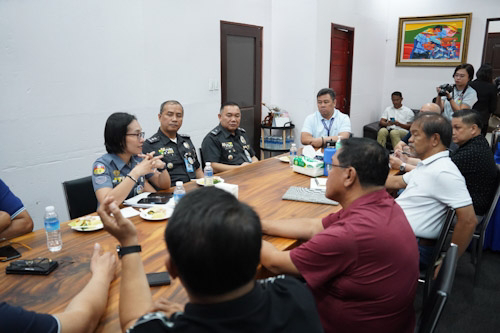
The collaborative dialogue between JCupt Langawin's team and the MOPJ underscored the commitment to resolving the transfer delays. Through fruitful discussions, a consensus was reached to introduce practical measures that would expedite the process. A decision was made to procure a mobile x-ray machine for medical screening purposes, alongside arranging a dedicated bus service for the safe and efficient transportation of PDLs. This initiative demonstrated a proactive approach to overcoming logistical hurdles and showcased the power of collaboration in addressing complex challenges.

Beyond immediate resolutions, JCupt Langawin's vision encompassed a broader strategy to enhance the BJMP's operational capacity. Recognizing the importance of a robust infrastructure and streamlined processes, efforts were directed towards upgrading facilities and optimizing procedural workflows. This focus on infrastructure not only aimed to improve the day-to-day operations but also to ensure that the institution could adequately respond to future challenges with agility and resilience.


Under JCupt Langawin's leadership, significant emphasis was placed on empowering the BJMP personnel with the skills and knowledge necessary to excel in their roles. Comprehensive training programs and workshops were introduced to elevate the professional competencies of the staff, fostering a culture of excellence and accountability. This investment in human capital was a testament to Langawin's belief in the potential of his team to drive meaningful change within the institution.


At the heart of JCupt Langawin's mission was a deep-seated commitment to upholding the rights and welfare of persons deprived of liberty. Initiatives aimed at improving living conditions, healthcare access, and rehabilitation opportunities for PDLs were prioritized, reflecting a holistic approach to jail management. These efforts underscored the BJMP's dedication to fostering a rehabilitative environment that supports the reintegration of PDLs into society.


Recognizing the importance of community involvement in the rehabilitation process, JCupt Langawin spearheaded programs that encouraged active participation from various sectors of society. Partnerships with non-governmental organizations, local government units, and the private sector were strengthened to support educational, vocational, and psychosocial interventions for PDLs. This collaborative model of engagement highlighted the role of the community in contributing to the transformative journey of PDLs.


In an era where technology plays a crucial role in optimizing operations, JCupt Langawin's leadership embraced innovative solutions to enhance the BJMP's efficiency and transparency. The adoption of digital tools and platforms facilitated streamlined processes, from documentation to monitoring, ensuring a more accountable and responsive jail management system. This strategic integration of technology signified a forward-thinking approach to reform and modernization.


Throughout his tenure, JCupt Cesar M. Langawin has been a symbol of integrity and dedicated service. His unwavering commitment to reform, combined with a visionary approach to leadership, has left an indelible mark on the BJMP and the broader criminal justice system. The initiatives and reforms introduced under his guidance have not only addressed immediate challenges but also laid the foundation for sustainable progress and innovation.


As we reflect on the journey of JCupt Cesar M. Langawin and the transformative impact of his leadership, it is clear that the path to reform and progress is ongoing. The challenges faced by the BJMP are complex and multifaceted, requiring a continuous commitment to innovation, collaboration, and excellence. JCupt Langawin's legacy serves as a beacon of hope and inspiration, reminding us of the power of dedicated leadership in driving positive change within institutions and society at large.


The story of JCupt Cesar M. Langawin and his tenure as the BJMP Regional Director is far from over. As we look towards the future, it is evident that the foundations laid by his leadership will continue to influence the direction and aspirations of the BJMP. The journey of reform and improvement is a perpetual one, with each step forward contributing to the overarching goal of a more just, efficient, and humane criminal justice system. Under the shadow of Langawin's legacy, the BJMP marches on, committed to upholding its mission with integrity, compassion, and resolve.

In crafting this comprehensive exploration of JCupt Cesar M. Langawin's impact on the BJMP and the broader realm of jail management and reform, we've delved deep into the core issues, initiatives, and philosophies that define his tenure. It's a narrative of transformation, underscored by a relentless pursuit of excellence and a deep commitment to the dignity and rehabilitation of those under the institution's care.

Embracing the Future: How Camiguin's Mambajao Town Revolutionizes Disaster Management


CREDIT: Philippine News Agency 
Photo Credit: https://mambajao.gov.ph

In an age where the impact of natural disasters can be mitigated with the right tools and strategies, the small yet forward-thinking town of Mambajao in Camiguin province sets a benchmark for modern disaster management. With the adoption of an advanced Incident Command System (ICS), Mambajao is not just preparing for the inevitable; it's revolutionizing the way small towns approach disaster readiness. This blog post delves into the intricacies of this modern approach, the collaborative efforts behind it, and the potential ripple effects on disaster management practices worldwide.


At the heart of Mambajao's innovative approach lies the adoption of a modern Incident Command System (ICS), an effort bolstered by the collaboration with regional government agencies. The move, as articulated by Mambajao Mayor Yñigo Jesus Romualdo, is rooted in the belief that leveraging modern technology can significantly enhance organized, efficient, and swift disaster management. The mayor's vision is clear: to centralize information into one cohesive system, enabling an organized and rapid response to any incident.

This approach underscores the pressing need for local government personnel to become adept at disaster response work. The ongoing training, a joint project between the Department of Science and Technology, Office of Civil Defense-Northern Mindanao (OCD-10), and the Mambajao local government, is not just about capacity building. It's a testament to the commitment to cultivate a well-prepared team capable of managing emergencies with competence and agility.


The essence of Mambajao's disaster preparedness strategy lies in its comprehensive training programs. Raquel Ranara, one of the leading trainers, emphasizes the significance of these initiatives for disaster preparedness and resilience. By enabling better anticipation and planning, the goal is to minimize losses when disasters strike. This perspective is crucial, highlighting the proactive rather than reactive approach to disaster management.

Marlyn Trozo, the OCD focal person, further elucidates on how the ICS and the Emergency Operations Center (EOC) work in tandem to create a robust disaster response mechanism. With the ICS acting as the 'force employer' managing on-scene responses and the EOC serving as the 'force provider' supporting the Incident Management Team, the synergy between the two systems is pivotal. This dual approach ensures a comprehensive and effective response strategy, setting a standard for other regions to emulate.


The integration of technology into disaster management processes is a game-changer. By centralizing information and response mechanisms into one system, Mambajao is paving the way for a more organized and expedited reaction to emergencies. The significance of this cannot be overstated. In disaster scenarios, where every second counts, having a streamlined process can mean the difference between containment and catastrophe.

This modernization effort also facilitates better communication and coordination among various stakeholders involved in disaster response. With centralized information, responders can make informed decisions quickly, allocate resources more efficiently, and ultimately save lives. It's a model that showcases the potential of technology to transform traditional disaster management practices.


Mambajao's pioneering approach to disaster management has the potential to serve as a blueprint for other towns and cities, both within the Philippines and globally. The successful implementation of a modern ICS, coupled with the strategic use of technology and comprehensive training programs, could inspire other local governments to reconsider their own disaster management strategies.

Moreover, this initiative underscores the importance of collaboration between local governments, national agencies, and the community. By working together, sharing resources, and exchanging knowledge, the collective capacity to manage disasters improves exponentially. It's a lesson in unity and preparedness that transcends geographical boundaries.


As Mambajao continues to refine and enhance its disaster management system, the future looks promising. The town's proactive stance, focus on technology, and commitment to training and capacity building set a high bar for disaster preparedness. It's a journey that other municipalities can learn from, adapt, and implement within their own contexts.

The evolution of disaster management in Mambajao is a beacon of hope and a testament to what can be achieved when innovation meets determination. As the town advances in its quest for unparalleled disaster readiness, it not only protects its citizens but also inspires a global movement towards more resilient and technologically savvy disaster management practices.

In conclusion, Mambajao's adoption of a modern Incident Command System is not just a step forward for the town but a leap towards a safer, more prepared future for communities worldwide. By embracing technology, fostering collaboration, and prioritizing training, Mambajao is not only setting a new standard for disaster management but also demonstrating the power of proactive, informed, and technologically enhanced approaches to safeguarding lives and livelihoods.

Monday, April 8, 2024

Echoes of the Past: Unveiling Lanao del Norte's Rich Heritage in a New Museum


CREDIT: PIA Lanao del Norte

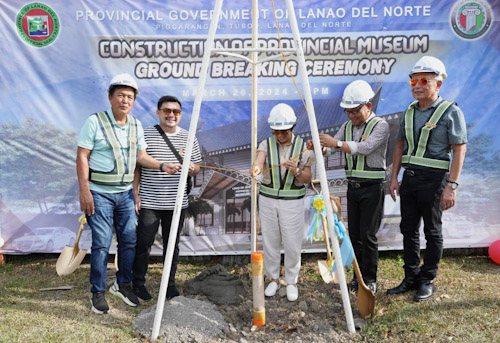
In the heart of Lanao del Norte, the provincial government is laying down the foundation stones of a long-envisioned project, a beacon of culture and education - the Provincial Museum. The museum is the region's response to the need for preserving and showcasing the rich cultural heritage that Lanao del Norte is steeped in. The two-story building will play a dual role, serving as both an administrative center and a vibrant museum.


The top floor of the structure will house the provincial tourism office, a conference room, and a stockroom. Together, these spaces will facilitate administrative functions and spearhead tourism development initiatives. The ground floor, however, will be the nucleus of the building, housing the museum that will offer guests an immersive historical experience.


Governor Imelda 'Angging' Quibranza-Dimaporo has been the torchbearer for this project. Her dream to honor the past, embrace the present, and pave the path for a prosperous future through the creation of this museum is now coming to fruition. The project is well underway, ensuring that the Governor's dream will be realized, leaving a lasting legacy for posterity.


The groundbreaking event was not just a provincial affair, it drew support from external stakeholders as well. Notably, Decius Esmedalla, from the Department of Tourism (DOT)-10, underscored the collaborative efforts behind this transformative project.


The museum, according to Esmedalla, is akin to a precious gem that encapsulates the essence of their identity and links them to their rich ancestral roots. It provides an invaluable opportunity for both the youth and the populace at large to delve deeper into their local culture and appreciate it at a greater level.


The Sangguniang Panlalawigan Member and Committee Chairperson on Tourism, Haron Omar Jr., expressed gratitude towards Governor Dimaporo for her unwavering commitment to the project. He emphasized the importance of the museum in preserving and celebrating Lanao del Norte's cultural heritage, offering future generations a tangible link to their ancestral past.


The museum, Omar Jr. believes, is of paramount importance to the province of Lanao del Norte. The rich cultural heritage and the long cultural history that the province boasts of will find a home in the museum. The museum will serve as a time capsule, preserving memories of past events experienced by their ancestors.


With a targeted completion date set for 2025, the Provincial Museum promises to be a symbol of cultural preservation and education. It is poised to enrich the legacy of Lanao del Norte, offering a vibrant and interactive platform for future generations to explore and appreciate their rich heritage.


The provincial government of Lanao del Norte marked the beginning of this monumental project with a groundbreaking ceremony. The ceremony not only signified the commencement of construction but was also a testament to the united efforts to preserve and showcase Lanao del Norte's rich heritage.


As we eagerly anticipate the completion of the Provincial Museum, we are reminded of the importance of preserving our cultural heritage. This project serves as a beacon of hope, reminding us that while we strive for progress, we must also honor and preserve our past. With this museum, Lanao del Norte's rich heritage will continue to be showcased, fostering a deeper understanding and appreciation of the province's vibrant culture and history.

A Creative Wave Sweeps Uptown: OPPA Studio’s 15th Spark of Inspiration

A New Creative Haven at SM City CDO Uptown Excitement fills the air at SM City CDO Uptown as OPPA Studio has officially opened i...